Welcome To
Umo AeroCloud Laboratory

The Umo AeroCloud Lab, led by Dr. Nsikanabasi Silas Umo, explores and advances fundamental and applied research in atmospheric and marine aerosol science. We investigate the physical and chemical properties of natural and anthropogenic aerosol particles and their interactions with clouds (mixed-phase and cirrus systems), and climate processes. Our work spans ice nucleation mechanisms, cloud condensation nuclei, aerosol aging, transformation, and life-cycle dynamics.
We combine laboratory experimentation, field observations, and computational modelling to resolve complex questions in aerosol–cloud–climate and biogeochemical interactions. Our group also develops and applies state-of-the-art aerosol measurement technologies, including advanced simulated AeroChem chambers, to study atmospheric processes.
By integrating these insights into the Atmospheric Chemistry and Marine Science curricula at UNCW, we connect cutting-edge atmospheric chemistry with coastal and marine research, training the next generation scientists to tackle emerging challenges at the atmosphere–ocean interface.
Our Research Foci
In our Research Lab, we are passionate about pushing the boundaries of existing knowledge in our field. Our team is dedicated to conducting impactful research that addresses key challenges and drives progress.
- Aerosol–Cloud–Climate Interactions – Investigating how natural and anthropogenic aerosol particles affect cloud properties, mixed-phase and cirrus systems, and climate processes.
- Ice-Nucleating Particles (INPs) & Cloud Condensation Nuclei (CCN) – Studying mechanisms of ice nucleation and cloud condensation under diverse atmospheric conditions. We are interested in the application of IN and CCN to water security.
- Aerosol Transformation & Life Cycle – Examining aerosol aging, chemical transformation, and biogeochemical processes that influence air quality and climate.
- Advanced Measurement Technologies – Developing and applying state-of-the-art aerosol measurement tools, including advanced atmospheric chambers.
- Integrated Approaches – Combining laboratory experiments, field observations, and computational modelling to resolve complex atmospheric chemistry questions.
- Marine & Coastal Relevance – Linking atmospheric aerosol research with marine science and incorporating findings into UNCW’s Marine Science and Atmospheric Chemistry curricula.
We are committed to fostering a culture of innovation and collaboration, and we welcome partnerships with industry and academia to drive meaningful impact.
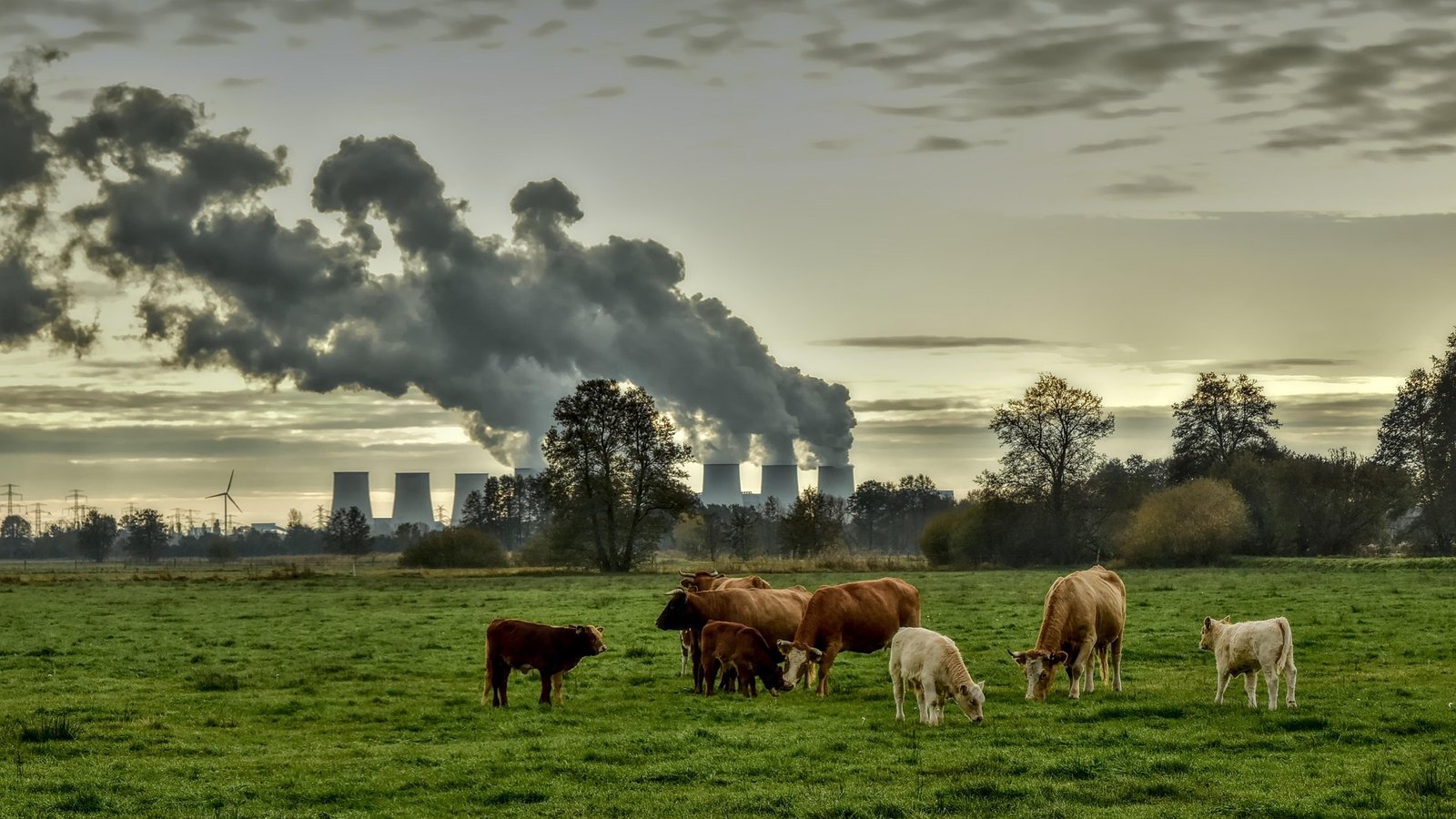
Sources of Aerosol Particles
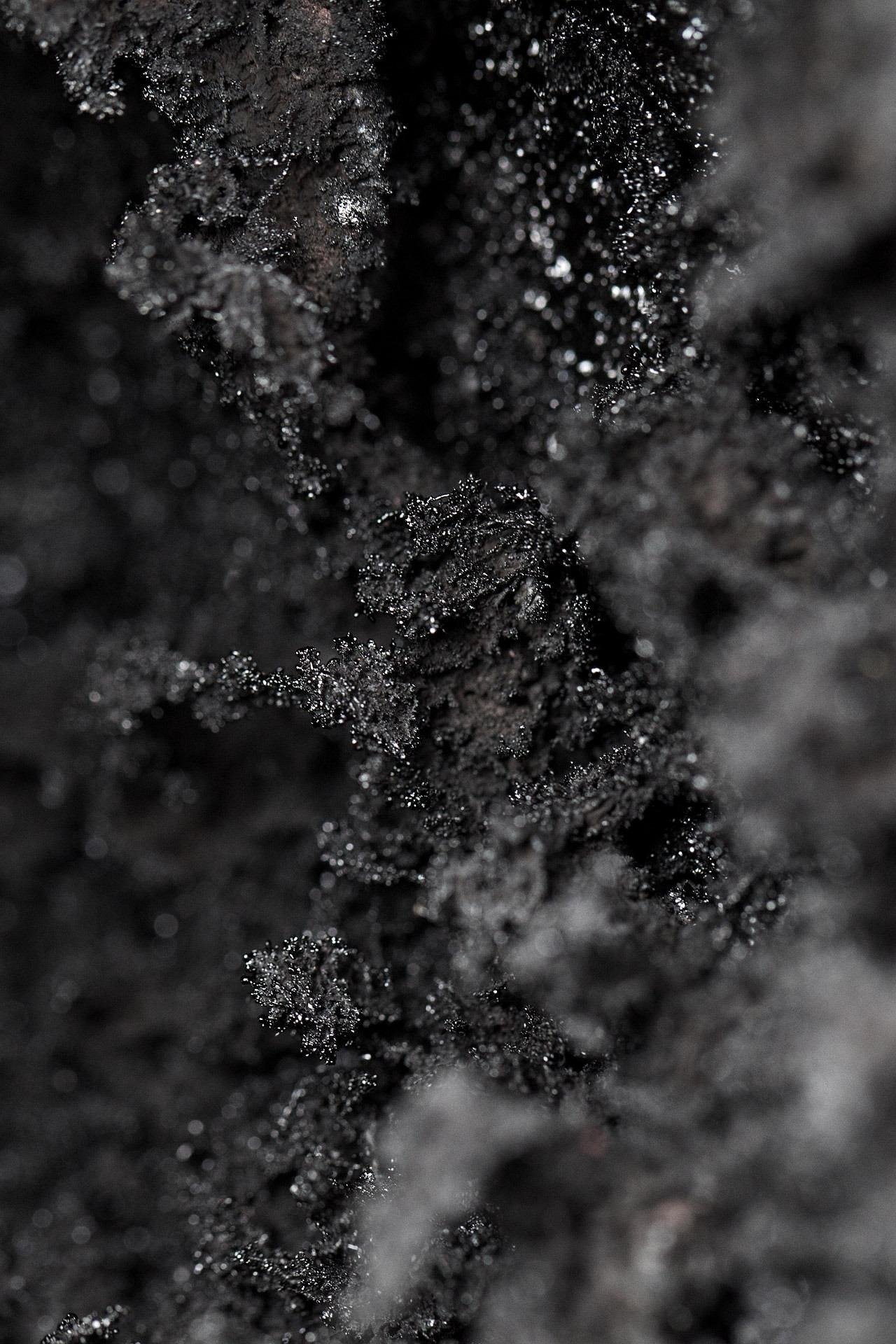
Soots/Ashes
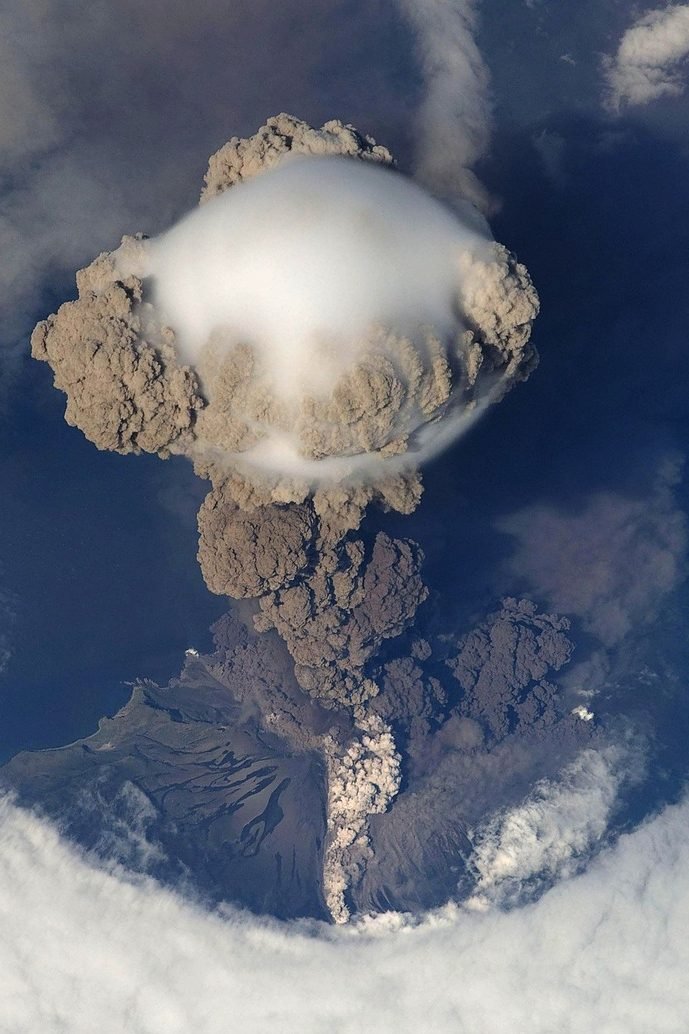
Volcanic Eruption
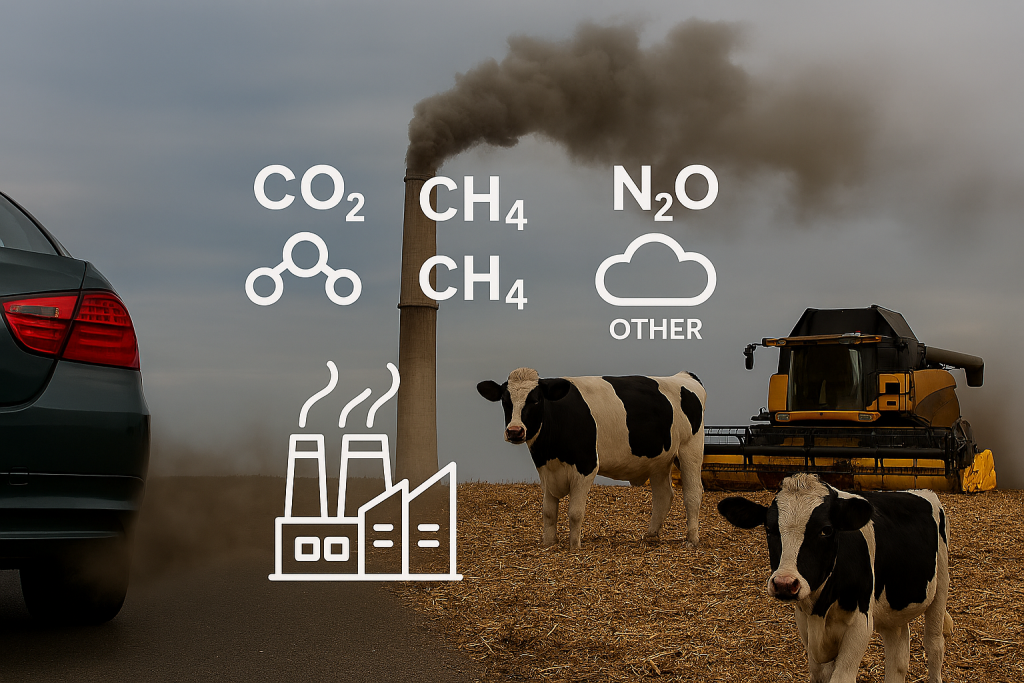
Emissions
Core Research Areas
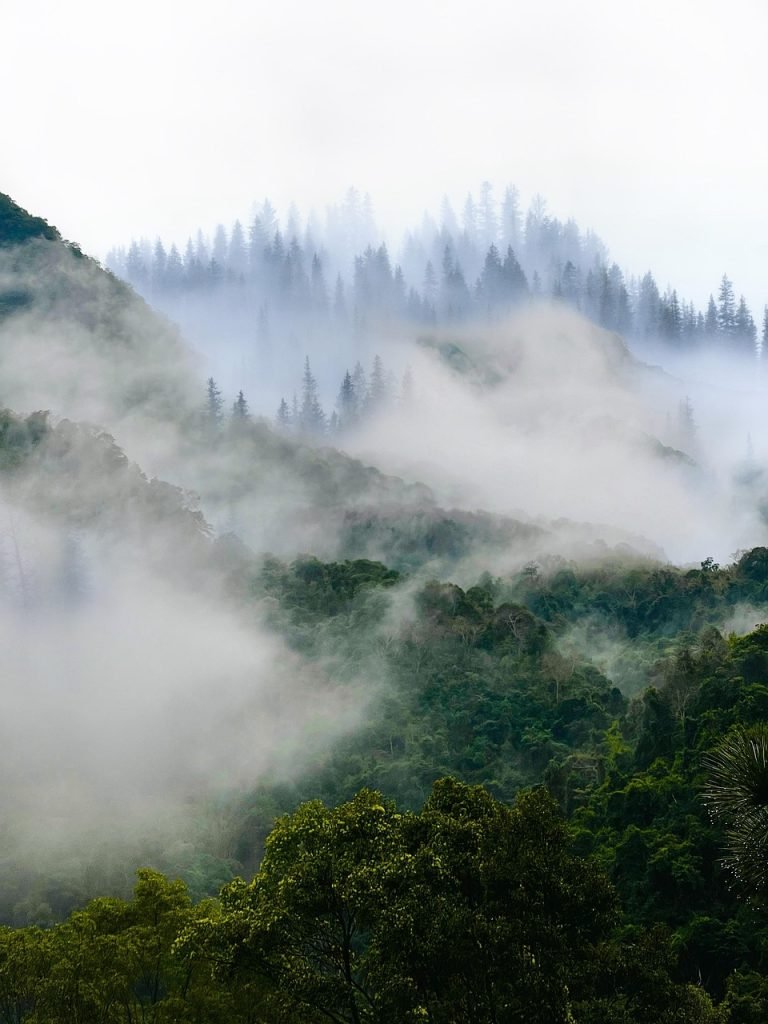
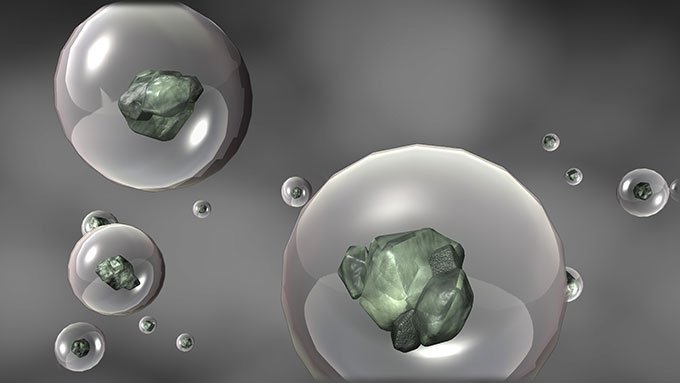
Aerosols
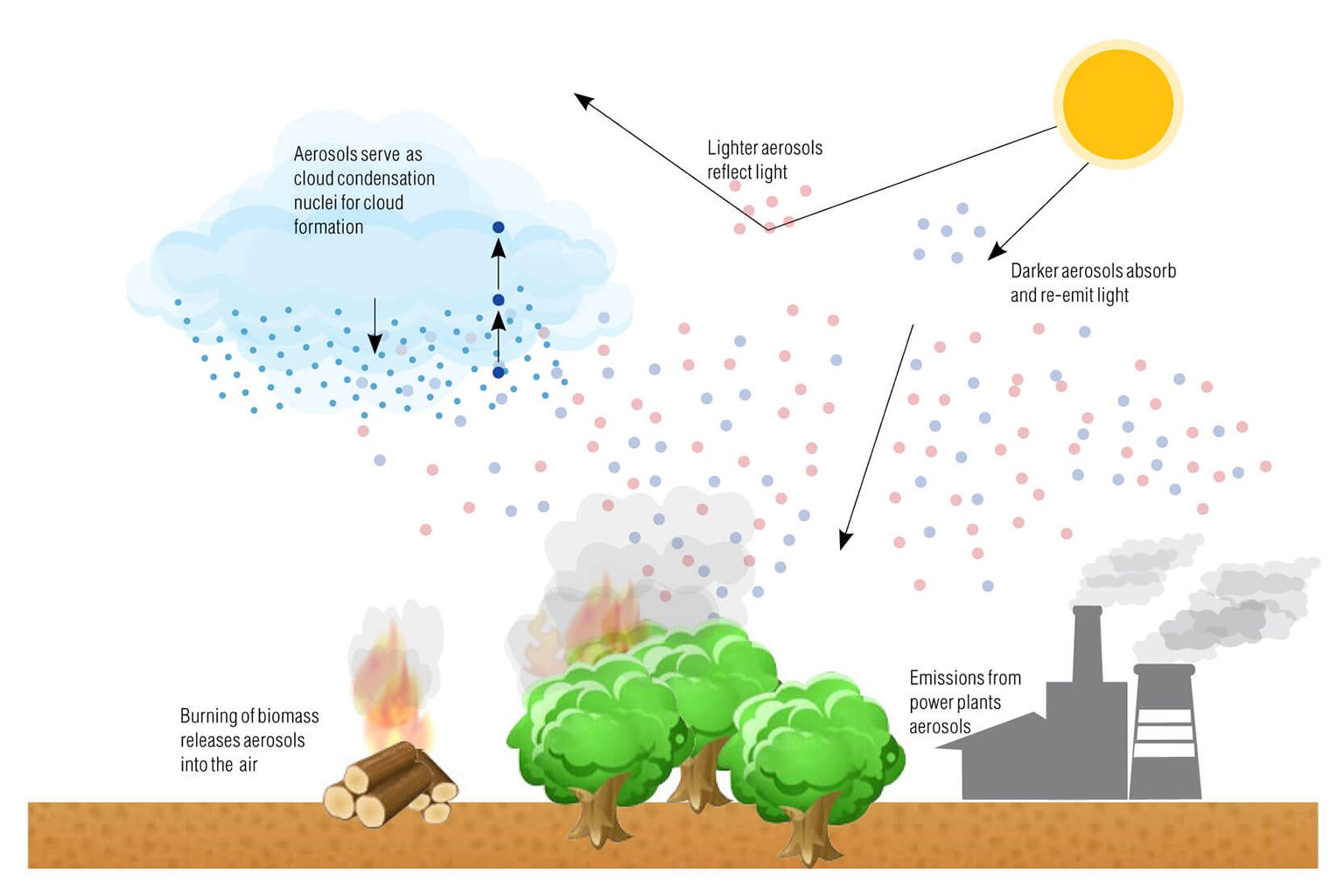
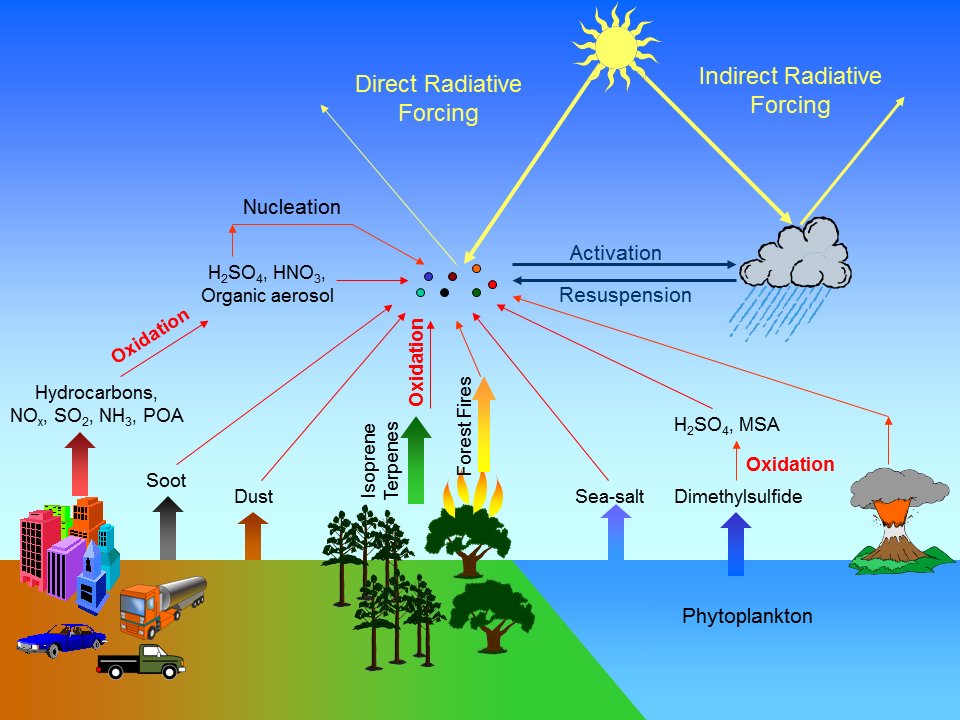
Schematics by NASA
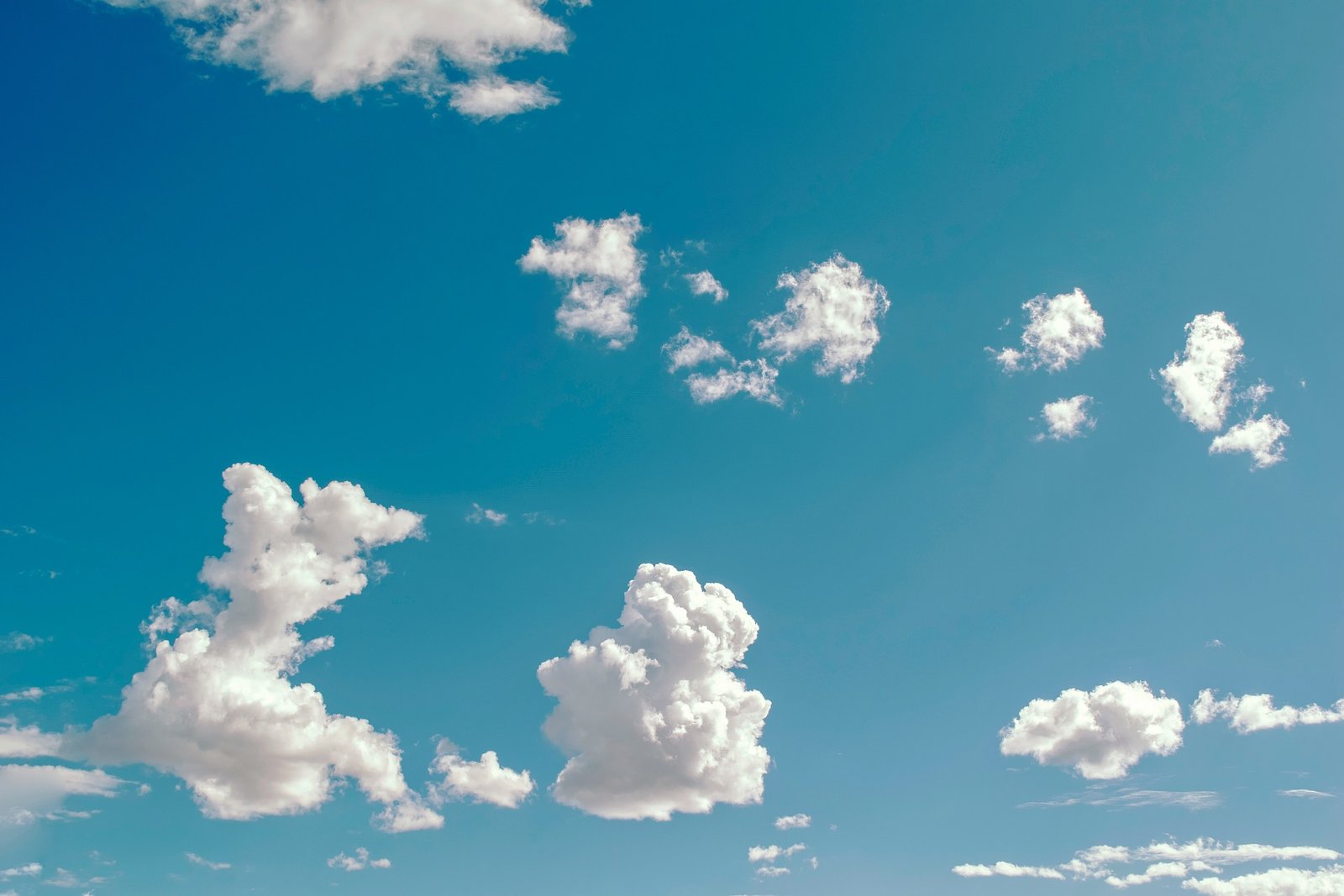
Clouds
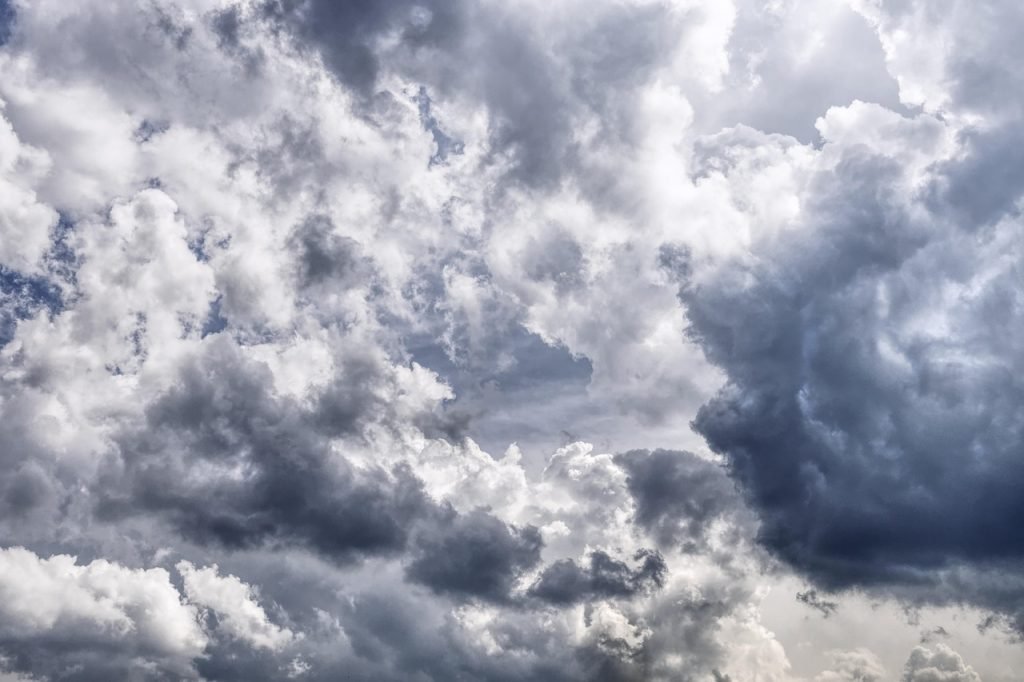

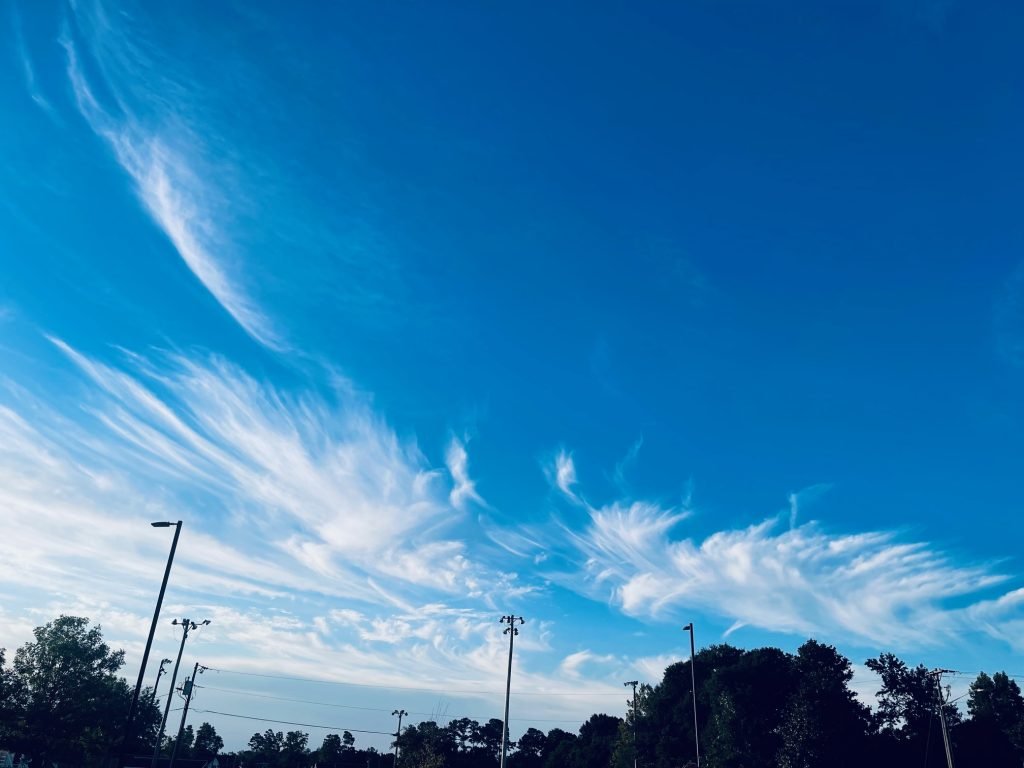
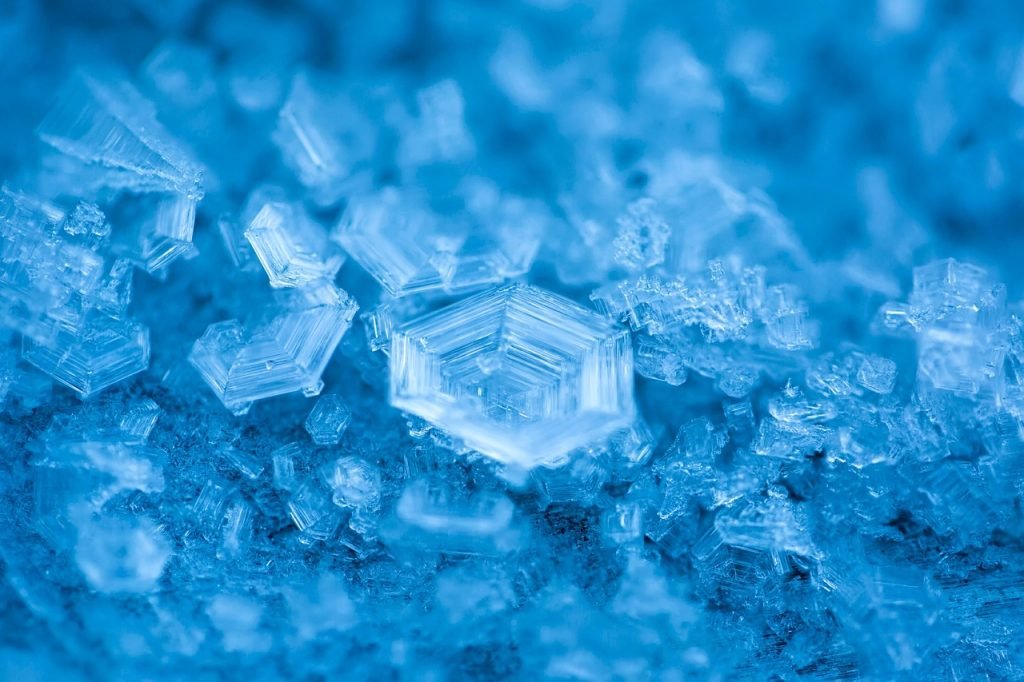
Ice Nucleation
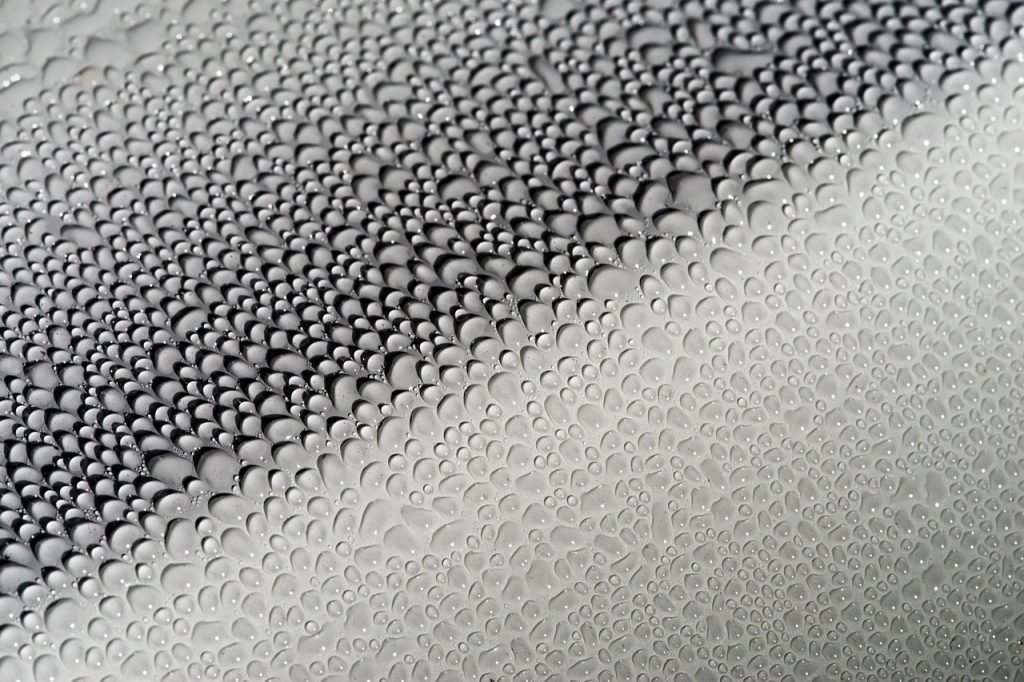
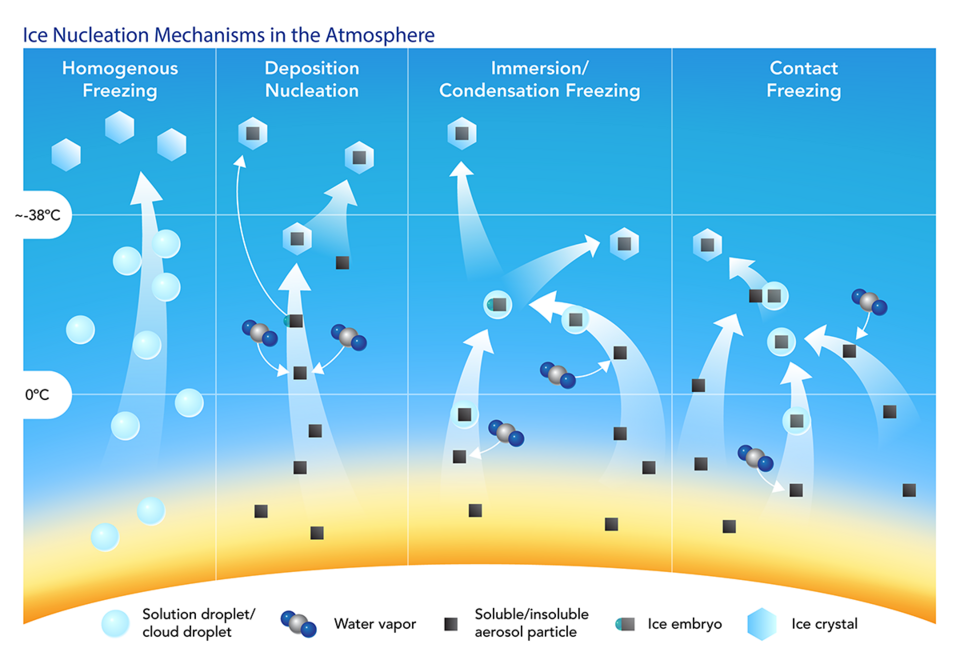
Schematic & Photo by NASA
Aerosol Cloud Interactions
Hmmm… Have we sparked your interest? Will you like to join or collaborate with us?